
Why a scale exists at all
The Institute for Challenging Disorganization publishes the Clutter-Hoarding Scale, a five-level framework used across this industry, by social services, and increasingly by health departments. It exists because “quite bad” is not a useful assessment when someone needs a price, a crew size, and a timeline.
The scale measures five dimensions at each level: structure and zoning, animals and pests, household functions, sanitation and cleanliness, and personal protective equipment required. A property can sit at different levels in different dimensions, and the overall assessment takes the highest.
If you are trying to work out where a home sits before calling anyone, this guide is the map. The work itself is Hoarding Cleanup, and we price against the same scale.
Level 1: Light
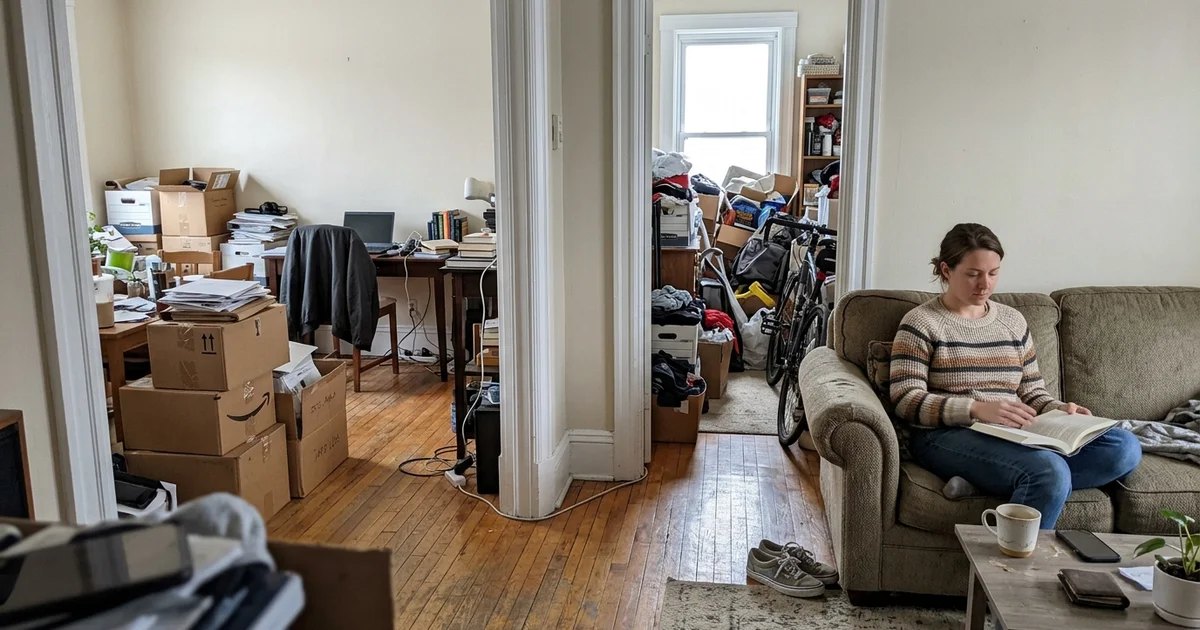
All doors and stairways are accessible. Household appliances work and are in use. No pest infestation. Sanitation is normal. Light clutter, and nothing about the property would alarm a visitor.
Most homes described by a worried relative as “getting bad” are actually Level 1. That is not a dismissal. Level 1 is the right time to intervene, and it is the only level where the person can usually manage it themselves with support.
Level 2: Guideline
One exit is blocked. One major appliance has not worked for more than six months. Light pest evidence, such as spider webs or occasional droppings. Some odor from waste or laundry. Narrow but passable paths.
At Level 2 the person is typically still functioning normally in public, and the household is still recoverable in a day or two of professional work.
Level 3: Moderate
This is where most of our calls sit, and where the situation stops being manageable alone.
One or more bedrooms or bathrooms are unusable. Visible clutter outside the house, in the yard or on a porch. Light structural damage where moisture has been trapped for more than six months. Audible or visible evidence of rodents. Several inches of accumulation on the floor throughout. Odor is noticeable on entry.
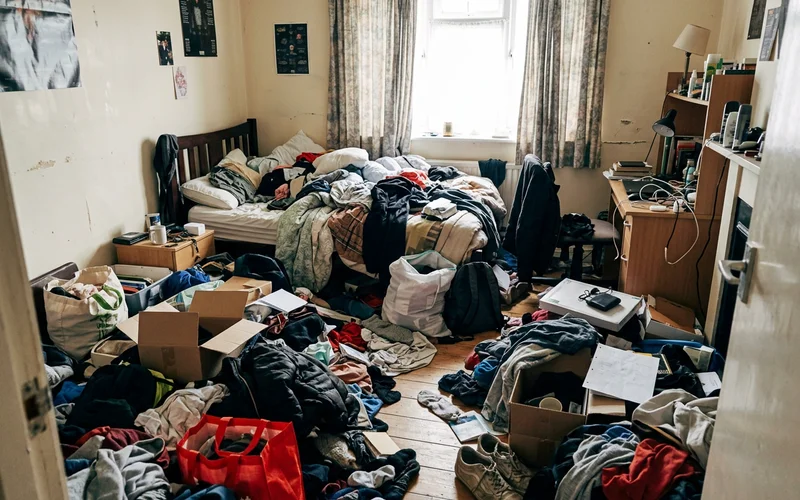
Level 3 is the threshold where DIY stops
Not because the volume is impossible, but because what is underneath it usually is. Trapped moisture, rodent contamination, and spoiled food are remediation problems, not hauling problems.
Level 4: Severe
Structural damage over six months old. Hazardous electrical wiring. Plumbing that no longer functions. Sewage backup or standing water. Rodent or insect infestation. Animal waste present. Aged food and human waste in living areas. Mould and mildew throughout.
Level 4 properties require respiratory protection and full protective equipment. They frequently come with a health department order attached.
Level 5: Extreme
Everything in Level 4, plus rooms that are no longer usable at all, disconnected utilities, extreme structural damage, and in many cases animals kept in conditions that constitute a separate welfare issue. Floor-to-ceiling accumulation throughout. The property may be legally condemned.
Level 5 is a multi-week project in the worst cases, frequently involving contractors after remediation.
How the levels map to real cost
We publish three pricing tiers rather than five, because the practical cost difference between ICD 1 and ICD 2 is small while the difference between ICD 3 and ICD 5 is very large.
| ICD Level | Our tier | Typical range | Timeline |
|---|---|---|---|
| 1 to 2 | Level 1 | $2,500 - $4,500 | 1 to 2 days, one dumpster |
| 3 | Level 2 | $5,000 - $10,000 | About 3 days, three dumpsters |
| 4 to 5 | Level 3 | $12,000 - $25,000+ | 4+ days, up to six dumpsters |
Our guide on hoarding cleanup cost by level breaks down exactly what drives the number inside each range, including square footage, dumpster count, and sorting complexity.
How to assess a property yourself
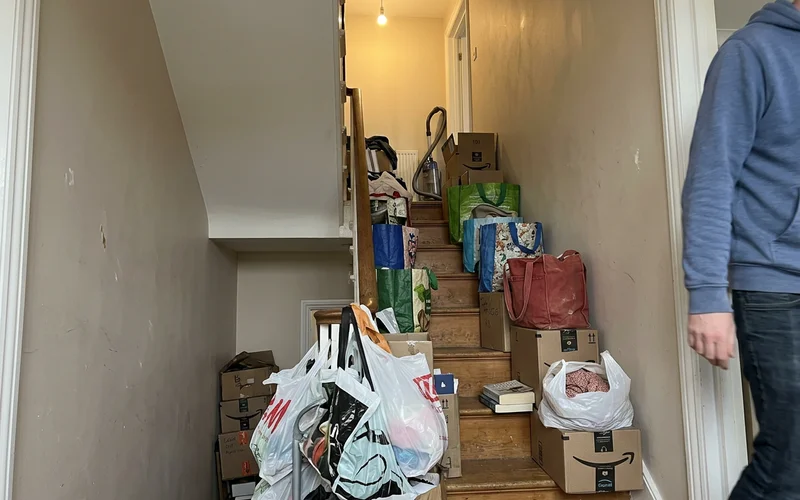
Stand in the doorway of each room and ask three questions.
Can this room still do its job? A bedroom you cannot sleep in, a kitchen you cannot cook in, and a bathroom you cannot wash in are the formal markers.
Is there a path, or is there a floor? Paths mean Level 3 or above.
What can you smell? Odor on entry usually means something underneath the volume, which changes the scope from hauling to remediation.
Then take photographs of each room including the floors, and send them. We assess severity against this scale and return a written estimate at no charge, usually the same day. Photographs will not show what is under the accumulation, and an honest estimate says so rather than pretending otherwise.